
Responsible gambling begins before a wager is placed. A clear budget, planned breaks and quick access to support can help keep entertainment from becoming difficult to manage. The Canada-facing information for spinsy casino canada describes self-exclusion through support, account monitoring and several account-management areas, while also noting that the availability of additional limits may vary. That makes it important to distinguish between controls that are documented, controls that must be requested and personal safeguards that should be arranged independently.
Start with a limit that reflects your real budget
A gambling budget should come from money left after necessities, debt payments, savings and other planned spending. It is not a target to reach, and it should never include rent, food, credit repayments or funds set aside for emergencies. Choosing a fixed amount before opening a session reduces the chance that an unexpected loss will turn into an unplanned attempt to recover money.
Write down both a spending limit and a time limit. A weekly or monthly amount can be divided into smaller session budgets, but the division should not be treated as permission to spend more after losing. Set the limit in Canadian dollars if that is how the account and household finances are managed. Keep a separate record of deposits, withdrawals, bonuses and wagers so the entertainment cost is visible rather than relying on memory.
It is also useful to decide in advance what happens when the limit is reached. The answer should be “stop”, not “wait for a better game” or “make one final deposit”. Do not borrow, use a credit card to extend a session or sell possessions to fund gambling. If a planned budget repeatedly feels too restrictive, that may be useful information: the activity may be taking a larger role than intended, and a pause or support conversation could be more appropriate than revising the budget upward.
Which controls are actually available?
Account controls are not always identical across operators, regions or account types. The available information documents self-exclusion as a responsible-gaming option that can be requested through customer support. It also describes profile, bonus and account areas, but public descriptions of deposit, loss and session-limit tools are inconsistent. Therefore, do not assume that a particular limit can be set directly from the account menu.
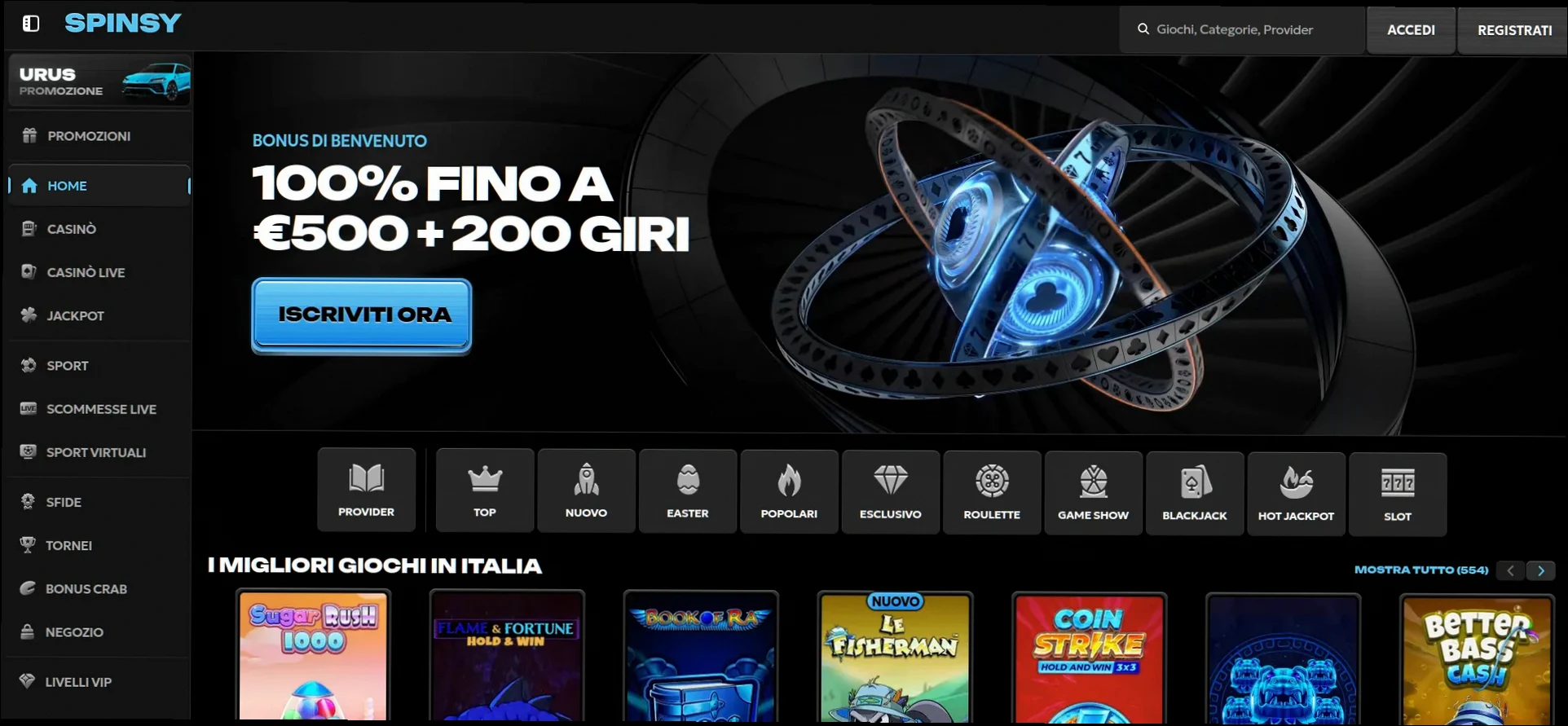
Before gambling, contact support and ask precise questions. Can a deposit limit be set for a chosen period? Is there a loss or wagering limit? Can a session reminder be enabled? Does a limit apply immediately, and can it be reduced without a waiting period? What happens to pending withdrawals, promotional funds and access to other products? Ask for the answer in writing and keep the confirmation. A limit is useful only when its scope and timing are understood.
Self-exclusion is a stronger measure than an ordinary spending reminder. It is intended for someone who wants access stopped for a defined period or indefinitely, rather than someone who merely wants to monitor play. Ask support to explain the request process, identification requirements and whether the exclusion covers casino, live casino and sportsbook activity together. Do not open another account to bypass an exclusion. If the requested control is unavailable or unclear, stop using the account and seek independent help.
Use breaks to interrupt impulsive decisions
Time can become difficult to judge during continuous play, particularly when games are fast or outcomes arrive seconds apart. A practical routine is to decide the session length before starting, set an external alarm and leave the screen when it rings. A break should happen away from the gambling device, not while browsing another game or reviewing a promotion.
During a break, check three facts: how long you have played, how much money has moved in or out and whether your mood has changed. Irritation, urgency, secrecy or a strong desire to continue after reaching a limit are warning signs. So are repeated changes between casino and sports betting, increasing stake sizes to recover losses, or feeling unable to enjoy ordinary activities until a bet is settled.
Make impulsive play less convenient. Remove saved payment details where possible, avoid gambling while drinking or when overtired, and do not use several devices to continue after deciding to stop. Keep the account away from shared household money and tell a trusted person about the limit if privacy is making it harder to follow. The Responsible Gambling Council’s public information can provide broader guidance, but it does not replace checking the account’s own controls or obtaining personal support when gambling is causing harm.
Bonuses should never decide your budget
Promotions can make spending feel less immediate because part of the displayed balance may be promotional rather than withdrawable cash. A welcome package, free spins, cashback or a reload offer can include activation steps, expiry dates, wagering requirements, eligible games, maximum contributions and restrictions on withdrawals. The presence of a bonus does not reduce the financial risk of the underlying wagers.

Read the current terms before opting in, and compare the requirements with the amount you had planned to spend without the promotion. The available Canadian information says that published package details can change and that the current offer should be checked in the account’s bonus area. Older descriptions should not be treated as the terms of a current offer. If the conditions are unclear, ask support before activating it rather than assuming the most favourable interpretation.
Choosing no bonus can be a responsible decision when wagering conditions would encourage longer sessions or larger stakes. A promotion should not be used to justify a deposit that would otherwise be unaffordable. Keep promotional play separate from essential funds, and remember that chasing an expiring offer is still chasing. If a bonus creates pressure, cancel or decline it where the account permits, and consider a break rather than accepting another campaign.
Know when a pause needs outside support
A temporary pause is sensible when gambling is interfering with sleep, work, relationships or ordinary spending. Other warning signs include hiding deposits, borrowing money, repeatedly promising to stop, feeling distressed after losses or continuing despite clear financial consequences. You do not need to wait for a crisis or a particular debt amount before asking for help.
Contact support to request self-exclusion and ask what account access will be restricted. Save the request and any confirmation. If the service does not provide the control you need immediately, do not rely on willpower alone: remove payment access, use device-level blocking tools, hand financial oversight to someone trusted for a period and avoid gambling advertising or promotional messages.
Independent help can add perspective and practical planning. In Canada, options vary by province and territory, so a local health service, counselling provider or gambling-help line may be the most suitable starting point. Be direct about the behaviour: explain how often you gamble, how much money is involved, whether losses are being chased and whether there are debts or thoughts of self-harm. If there is immediate danger or a mental-health emergency, contact emergency services or a crisis service without delay.
Frequently asked questions
Is self-exclusion stronger than setting a spending limit?
Yes. A spending limit is designed to restrict money or activity while allowing continued access. Self-exclusion is a request to stop account access for a chosen period or indefinitely. Ask support how it works across casino and sportsbook products, and do not create another account to avoid the restriction.
What should I do if no limit tools appear in my account?
Contact support and ask specifically about deposit, loss, wagering and session limits. Request written confirmation of what can be applied and when it takes effect. Until the answer is clear, avoid depositing, remove convenient payment access and use a pause or self-exclusion request instead.
Can a bonus make gambling safer?
No. A bonus may increase the amount of activity required before funds can be withdrawn, and its terms can change. Treat promotional value as optional, not as income or a reason to deposit. Declining an offer can be the safer choice when its conditions encourage longer or larger sessions.